
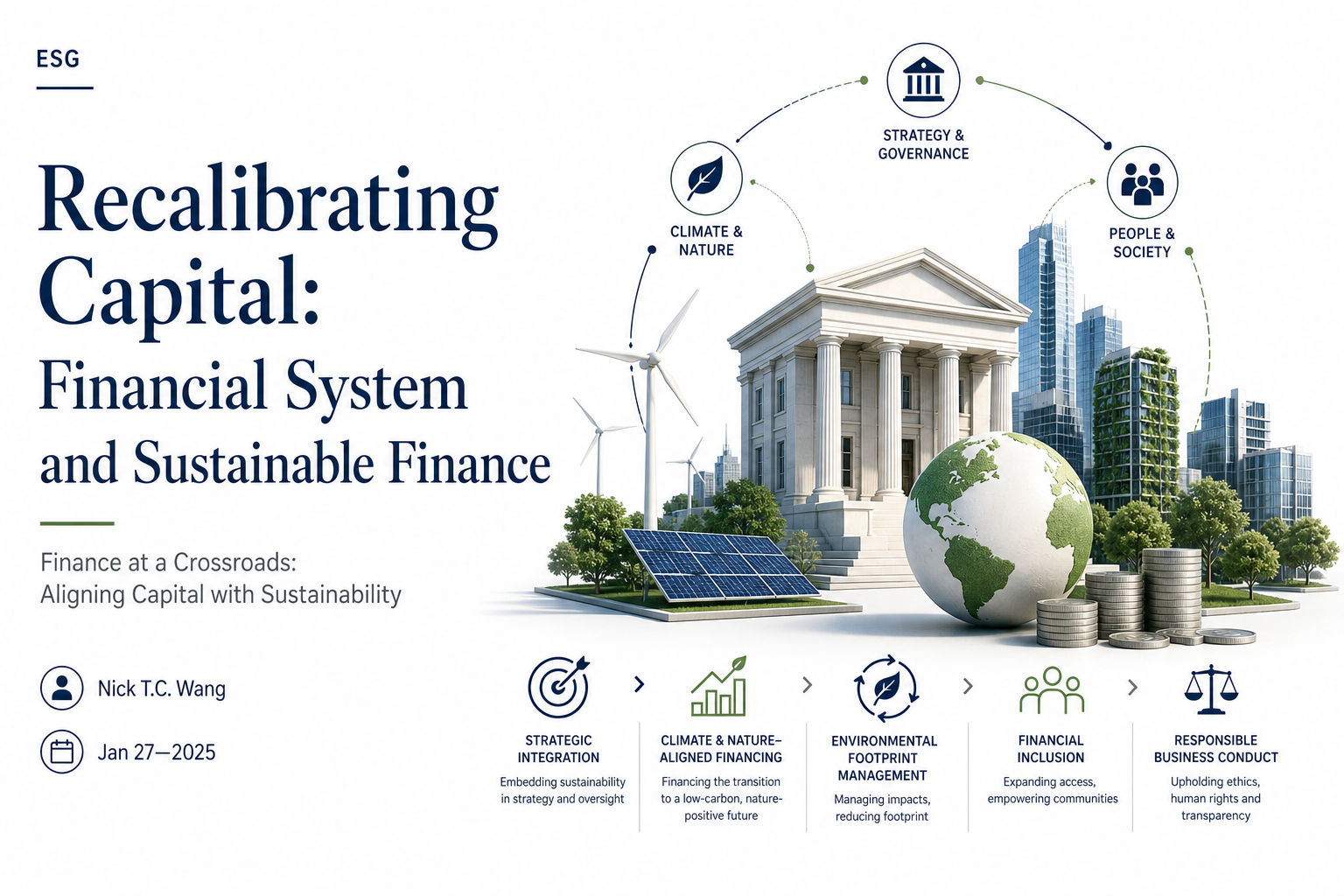
Finance at a Crossroads: Aligning Capital with Sustainability
The global financial system stands at a pivotal juncture. Despite its unparalleled capacity to mobilise resources, it has yet to fully align operations with the planet’s ecological boundaries and social wellbeing imperatives. The 2024 Financial System Benchmark (FSB), developed by the World Benchmarking Alliance, evaluates 400 leading financial institutions—including banks, asset managers, asset owners, and insurers—to measure their preparedness in addressing today’s most urgent sustainability challenges.
More than a ranking, the FSB is a roadmap for sustainable finance, identifying best practices while holding institutions accountable. It assesses not just commitments but also concrete actions—ensuring that sustainability is not merely declared, but demonstrably delivered.
The Financial Sector’s Role in Sustainable Development
At the heart of the Sustainable Development Goals (SDGs) and climate action lies a persistent financial challenge: a global annual shortfall of $4 trillion in sustainable investment, especially in developing countries. Finance can either widen this gap or bridge it.
The FSB makes clear: too many institutions still focus narrowly on climate-related financial risks—overlooking their direct impact on people and the planet. This risk-centric mindset is insufficient for the scale of transformation required.
To unlock their full potential, financial institutions must go beyond risk avoidance and actively enable the transition to a just, regenerative economy—channelling capital towards renewable energy, green infrastructure, inclusive finance, and ethical corporate practices. True leadership means creating positive impact, not just mitigating harm.
How the Benchmark Works
The FSB evaluates institutions using a methodology structured around three core themes:
- Strategy, Governance, and Management
- Respect for Climate and Nature
- Respect for People and Society
These are operationalised through five measurement areas:
- Strategic Integration of Sustainability
- Climate and Nature-Aligned Financing
- Environmental Footprint Management
- Financial Inclusion
- Responsible Business Conduct
The benchmark distinguishes between policy-level commitments and business-level action—differentiating institutions that simply declare support for green finance from those that actually redirect capital away from fossil fuel projects and towards sustainable solutions.
Key Assessment Areas
1. Strategy, Governance, and Management
Institutions are evaluated on how sustainability is embedded in corporate strategy, including:
- Identifying material impacts
- Setting measurable sustainability targets
- Ensuring board accountability and diverse leadership
- Engaging responsibly in political lobbying
2. Climate and Nature
This pillar assesses whether institutions:
- Have credible phase-out plans for fossil fuel financing
- Promote climate mitigation and adaptation investments
- Support nature restoration and biodiversity
- Finance circular and clean energy transitions
3. People and Society
The benchmark examines whether institutions:
- Offer equitable access to financial services (financial inclusion)
- Uphold human rights and labour standards
- Support underserved communities and promote social equity
In doing so, the FSB ensures institutions are evaluated not only by regulatory compliance, but also by their ability to catalyse systemic change.
Scoring and Transparency
Each institution is scored across 39 indicators, on a scale of 0 to 100. Scores are based solely on publicly available, verifiable information—ensuring transparency and accountability.
Institutions that provide clear, measurable, and auditable commitments score higher, while those lacking disclosure are penalised. The benchmark evaluates sustainability not just by what is said in reports—but by what is done in portfolios, capital allocation, and corporate behaviour.
The result: a transparent tool that helps investors, regulators, and the public distinguish real leaders from laggards in sustainable finance.
Why the Benchmark Matters
The 2024 FSB is more than a leaderboard—it’s a catalyst for systemic reform. It provides data-driven insights that:
- Inform sustainable investment strategies
- Encourage regulatory and policy shifts
- Hold institutions accountable to stakeholders
- Drive public awareness and corporate responsibility
Importantly, it helps investors detect greenwashing, identifying institutions whose ESG claims lack substance.
As sustainable finance becomes central to economic policy and capital markets, the FSB becomes a critical lever in shaping financial institutions that are fit for the future.
Looking Ahead: A Roadmap to Sustainability
The FSB sends an urgent message: incremental change is not enough.
While some institutions have begun integrating sustainability into operations, most are falling behind. Going forward, financial institutions must:
- Align with science-based climate targets
- Expand coverage of inclusive finance
- Improve governance structures and lobbying transparency
- Disclose impact and performance metrics comprehensively
True action requires divesting from fossil fuels, launching innovative green financial products, and actively fostering social equity. Institutions that lead this shift can help build a financial ecosystem that is not only stable but fundamentally sustainable.
Conclusion: The Call to Action
The financial industry holds a once-in-a-generation opportunity to lead the transition to a sustainable future. The 2024 Financial System Benchmark offers the tools and insights needed to go beyond risk management and become architects of positive change.
With 2030 fast approaching, sustainability is no longer optional—it is mission-critical. Institutions that act decisively today will shape the global economy of tomorrow and leave a legacy of resilience, justice, and prosperity.
Leave a Reply